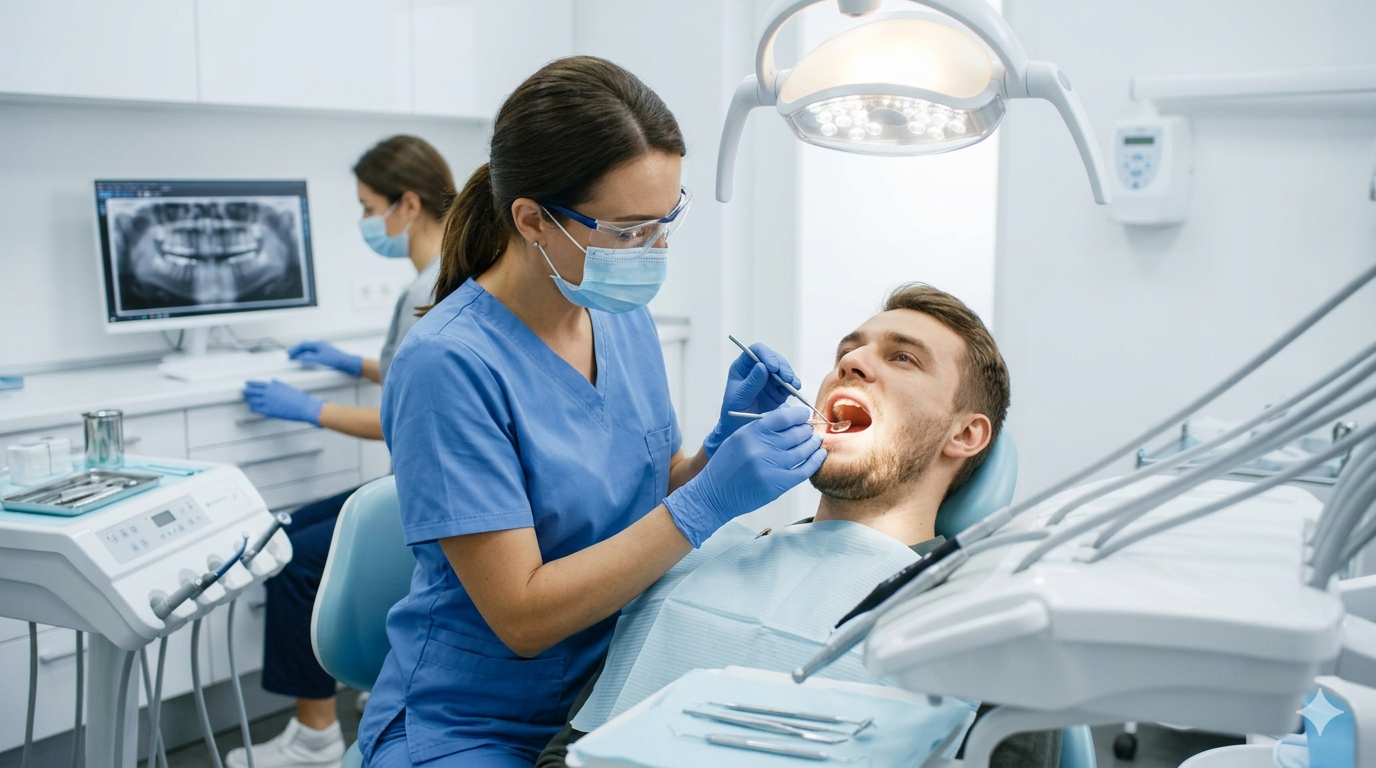
Wisdom teeth, also known as third molars, are the last set of teeth to develop—usually appearing between the ages of 17 and 25. While some people have no issues with their wisdom teeth, others experience pain, infection, or dental complications.
But the big question remains: Should wisdom teeth always be removed?
The answer is: Not always. It depends on your condition.
Wisdom teeth are the final four molars located at the back of your mouth. These teeth were useful for our ancestors who needed extra chewing power, but today, they often cause more problems than benefits.
No, wisdom teeth do not always need removal.
You can keep your wisdom teeth if they are:
According to dental experts, if wisdom teeth meet these conditions, removal is not necessary.
Dentists recommend removal when wisdom teeth cause or are likely to cause problems.
When there isn’t enough space, wisdom teeth can get stuck in the gums or grow sideways, leading to pain and infection.
Persistent discomfort at the back of your mouth is a clear sign that something is wrong.
Partially erupted teeth can trap food and bacteria, increasing the risk of infections and gum disease.
Wisdom teeth are hard to clean, making them prone to decay.
They may push against adjacent teeth, causing crowding or misalignment.
In some cases, impacted teeth can lead to cyst formation that damages bone or surrounding teeth.
Even if you don’t feel pain, dentists may suggest preventive removal because:
Ignoring problematic wisdom teeth can lead to:
Wisdom tooth extraction is generally safe, but like any surgery, it has some risks:
There is no one-size-fits-all answer.
Remove them if:
Keep them if:
The best decision comes after a proper dental examination and X-ray.
If you experience:
You should consult an oral and maxillofacial specialist immediately.
No, the procedure is done under anesthesia, so you won’t feel pain during surgery.
Usually between 17–25 years, if needed.
Yes, if they are healthy and not causing any issues.
Most people recover within 1–2 weeks.
It can lead to infection, swelling, and damage to nearby teeth.